The rise of remote working has changed how people use hospitality spaces. Here’s what that means for operators, and why design is at the heart of it.
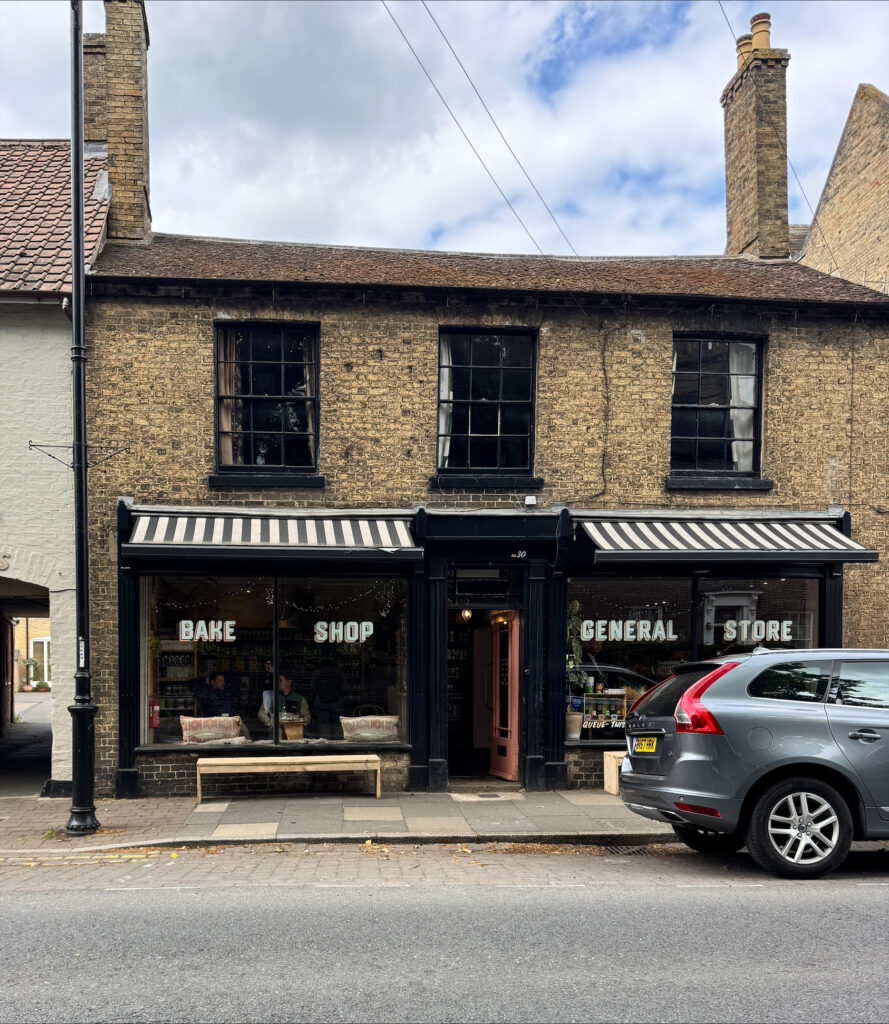
This is one of my favourite local coffee shops. I worked from here for a few hours this afternoon. But I didn’t come for the coffee.
I came because when you work for yourself, and mostly from home, you can go a little stir crazy. As I looked around at the three other people working on laptops, I know I’m not the only one feeling like this.
And that’s a real opportunity for hospitality spaces.
The shift to home working has changed the way we use cafés, pubs and restaurants. People are seeking out community spaces, not just to feel less alone, but to create a clear boundary between work and home. That need for a third space, somewhere that’s neither the office nor the kitchen table, has become one of the defining behaviours of how we live and work now.
Coffee shops have become that answer. But here’s what most operators don’t realise.
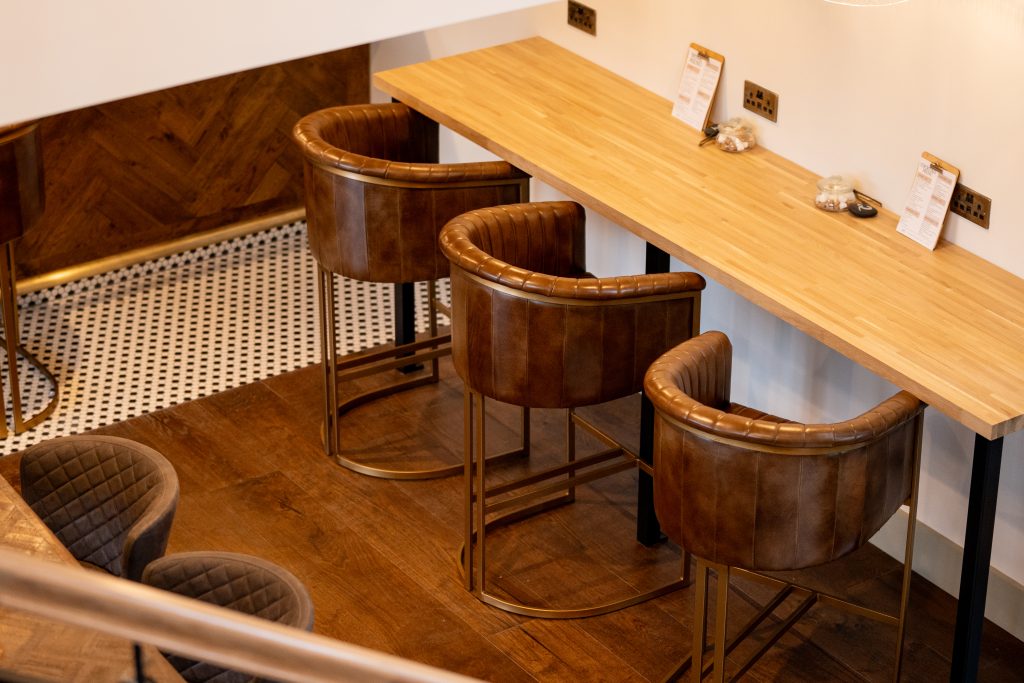
The ambient noise level. The quality of the natural light. Whether the seating is comfortable enough to settle into. Whether there’s a corner that feels like yours for an hour. Whether there’s a plug socket when you need one.
These aren’t accidental. They’re design decisions. And the venues getting them right are seeing it directly in their numbers.
A high-dwell model versus a quick-turnover model, the numbers tell the story.
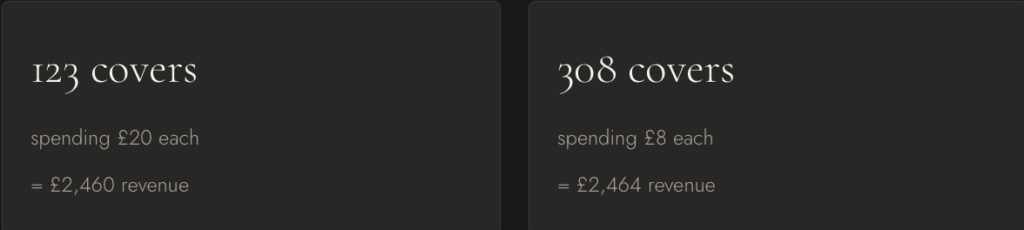
And before anyone says it, no, I don’t think most people take the mick when it comes to using these spaces. In that one or two hours they choose to spend with you, most will buy more than one drink, something to eat. Because people appreciate that you’re running a business. They don’t want to take advantage, they just want to feel welcome. And they’ll probably come back more than once a week.
The venues winning the remote worker audience aren’t the ones with the fastest WiFi. They’re the ones that understood what this customer actually needs, and designed for it intentionally.
✓ Seating variety — solo tables, window perches and quieter corners give people the sense of having their own space without isolating them entirely.
✓ Lighting that works for screens — beautiful ambient lighting is great until you can’t see your monitor. The best spaces layer task lighting into their atmosphere rather than choosing between the two.
✓ Acoustic zones — low-level background noise actually aids concentration, but unpredictable noise doesn’t. Layout and material choices can create the right ambient hum.
✓ Power access built into the design — not extension cables trailing across the floor, but sockets considered as part of the fit-out from the start.
✓ A layout that makes people feel welcome to stay — not perched on a stool by the door feeling like they’re in the way. The placement of the counter, the flow of the space, the ratio of seating to footprint — all of it signals whether you want people to linger or leave.
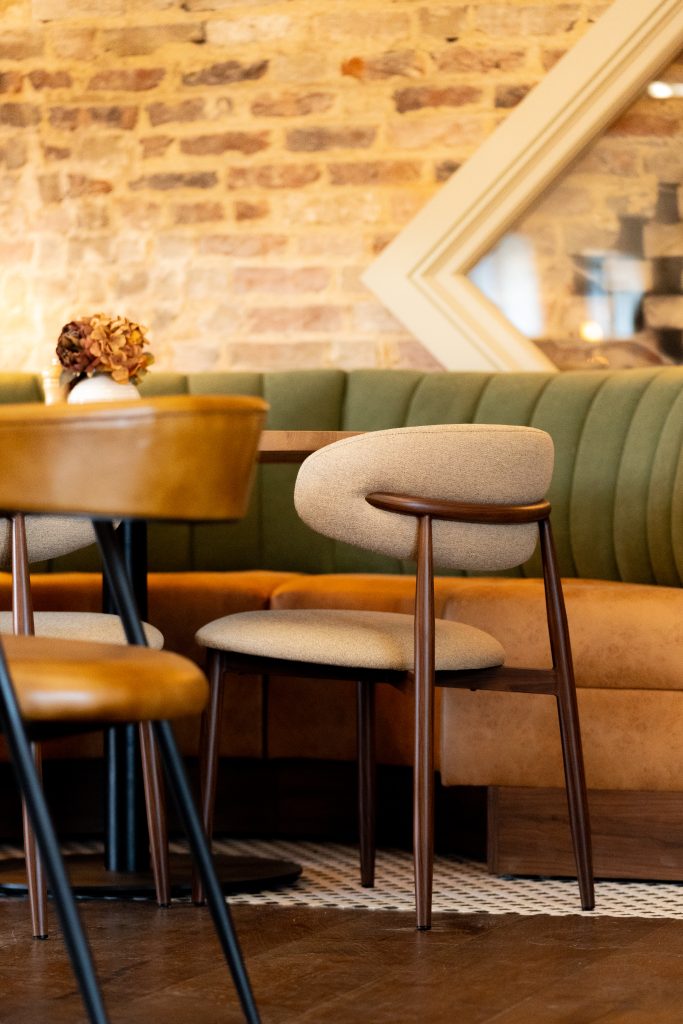
The best operators understand this instinctively. They’re not just selling coffee. They’re selling a place to think.
I do, because before I was a designer, I was behind the scenes in the corporate world. I spent over a decade in senior roles at Greene King and Punch Pubs, ending up as Head of Guest Experience, where the relationship between environment and behaviour was something I thought about every single day.
That perspective is what I bring to every hospitality project I work on at Styled. Not just how a space should look, but what it needs to do, and what it needs to achieve.
Whether you’re planning a refurbishment or opening a new venue, I’d love to hear what you’re working on.