
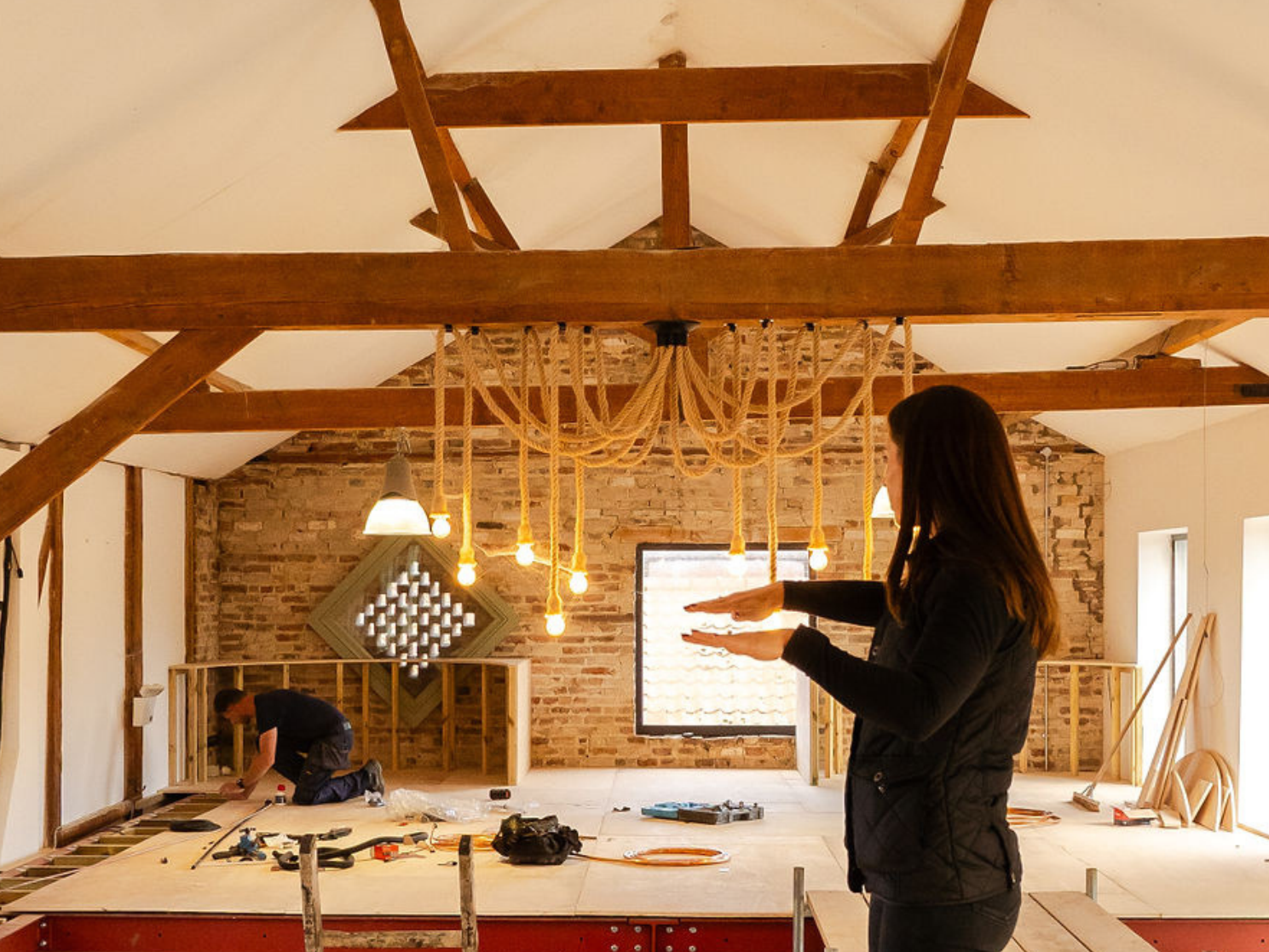

Renovating your home should feel exciting. Too often, it feels confusing instead.
You're making big decisions with your money, your home and your time, often while trades talk in a language nobody has explained to you. You nod along, then quietly look it all up later.
After years of designing homes and hospitality spaces, I've learned what really makes a renovation run smoothly, and where things most often go wrong. So I've brought it all together in one calm, practical guide, showing you exactly what order to renovate a house in.

Inside the guide
- Each stage of a renovation or room redesign, in the order that makes sense
- The details nobody thinks to tell you until it's too late
- How to create a home that flows beautifully from room to room
- Where to invest, and where you can happily save
- The questions to ask before you agree, order or install anything
- The common mistakes I see again and again, and how to avoid them
- Plain-English explanations of the words you'll hear along the way
This isn't about turning you into a builder or an interior designer.
It's about giving you the confidence to make clear, considered decisions, ask the right questions and create a home you love, without learning everything the hard way.
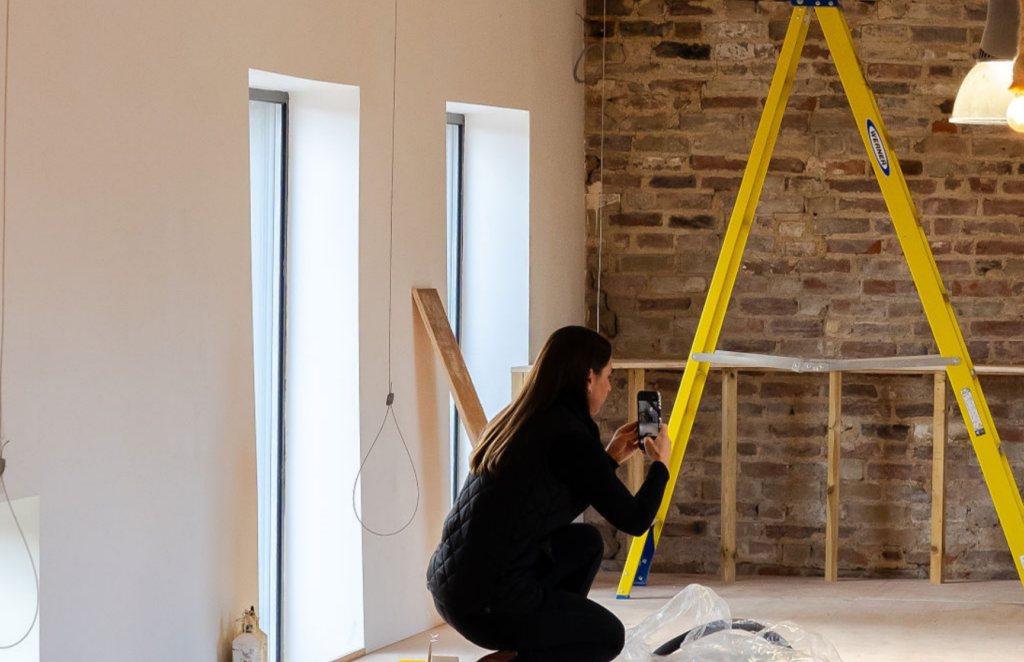
What order should you renovate a house in?
The order is where the calm comes from. Every stage builds on the one before, so it's worth resisting the temptation to skip ahead to the fun part. Here's the roadmap at a glance. The full guide walks you through each step in detail.
Layer, style and live in it. Add the furniture, lamps, textiles and art that turn a finished renovation into a home.
Start with how you want to live. Before paint charts and Pinterest boards, work out what isn't working and how you want each room to feel. This becomes your brief.
Set a realistic budget. Decide your total, work backwards room by room and keep a contingency for the surprises older homes often hold.
Find your style, then edit it. Gather inspiration freely, then choose one direction that suits your home's architecture and light.
Plan the layout first. Measure, draw a simple floor plan and place your key furniture before choosing anything else.
Think about light and services early. Lighting, sockets and plumbing are fixed long before the paint goes on, so plan them while changes are still easy.
Create a thread through every room. A core palette of colours and materials, repeated from room to room, is what makes a home feel cohesive.
Choose finishes that work hard. Flooring, tiles, worktops and paint need to suit how you live as well as how they look.
Brief your trades and stay in control. Make decisions before work begins and give every trade the same clear information.
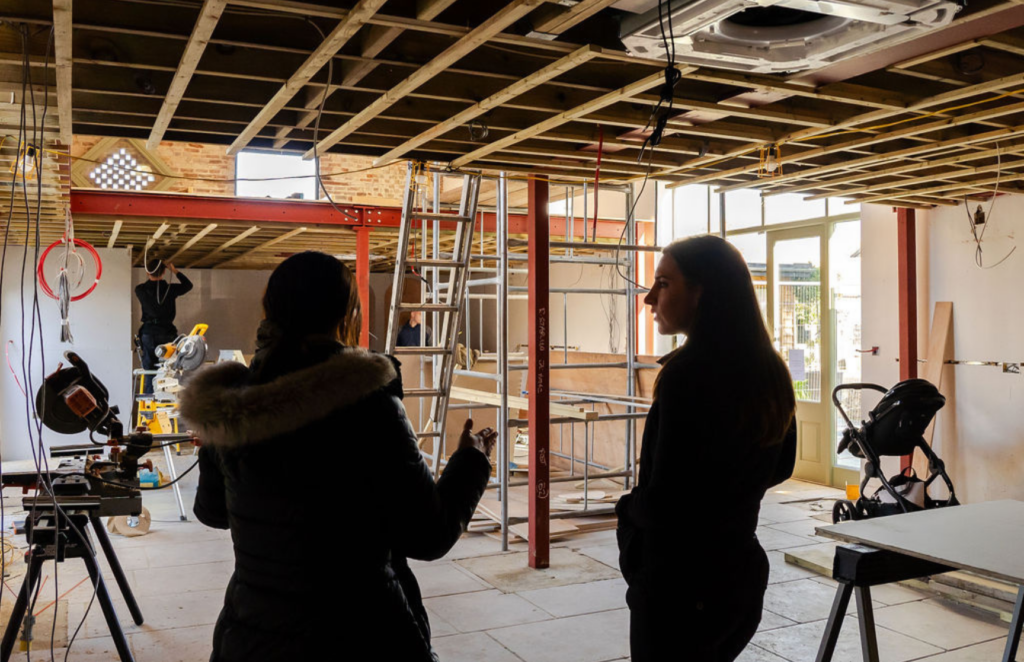
The details nobody tells you until it's too late
A few things catch people out again and again.
Forgotten costs. Design fees, delivery, waste removal, decorating and finishing touches are easy to leave out of a budget.
Lead times. Some tiles, kitchens and made-to-measure pieces take weeks or months to arrive, so order them early.
Changes mid-build. Every decision made after work has started is where costs and delays creep in.
Living through it. Plan where you'll live, cook and wash while the work is happening.
Where to splurge and where to save
Spend on what you touch and use every day, such as taps, door handles, worktops, a good sofa and the quality of your trades. Save where restraint won't be noticed, such as accessories that can be changed over time, or simple, classic pieces that let your hero items shine. A home doesn't need to be finished in a weekend. The most personal rooms are collected over time.
Renovation jargon, decoded
Trades use a language that can feel designed to keep you guessing. Here are a few of the words you'll hear most. The full guide explains many more.
First fix — cables and pipes installed before the walls are plastered.
Second fix — fitting the visible parts, such as sockets, switches, taps and lights, after plastering.
Schedule of works — a list of every job in order, so each trade quotes on the same thing.
Snagging — the list of small finishing faults to be put right before a job is signed off.Even modest developments can feel luxurious if these rooms are thoughtfully designed and styled.
Frequently Asked Questions
Start with your brief and budget, then style direction and layout. Plan lighting, plumbing and electrics before any plastering, then choose finishes, brief your trades and finish with furniture and styling.
Set aside 10 to 20 percent of your budget, especially in an older home, where surprises often appear once walls are opened up.
First fix is the hidden work, such as cables and pipes, done before plastering. Second fix is fitting the visible parts, such as sockets, switches, taps and lights, afterwards.
Choose a core palette of three to five colours and materials and repeat at least one in every room, keeping hallways and landings simple so they connect the spaces.
Ideally, yes. A designer helps you settle the layout, lighting and finishes first, so your builder can quote accurately and build exactly what you've planned.
Get your free copy
The Renovation Roadmap is free to download. It includes all nine steps in detail, a designer's note for each stage, a plain-English jargon guide and a checklist to tick off before work begins.
You don't have to figure it out alone
The guide gives you the roadmap. If you'd like a designer beside you as you follow it, we're here to help at whichever stage you're at.
- Design Consultation — a focused session, online or in person, to talk through your plans and set a clear direction.
- Online Interior Design — room-by-room design for furniture, colour and styling, wherever you are.
- Renovation & New Build Design — layouts, finishes and technical detail for the bigger changes, for homes in and around Cambridge.
- Interior Design & Styling — furniture, finishes and styling to complete your home, in and around Cambridge.